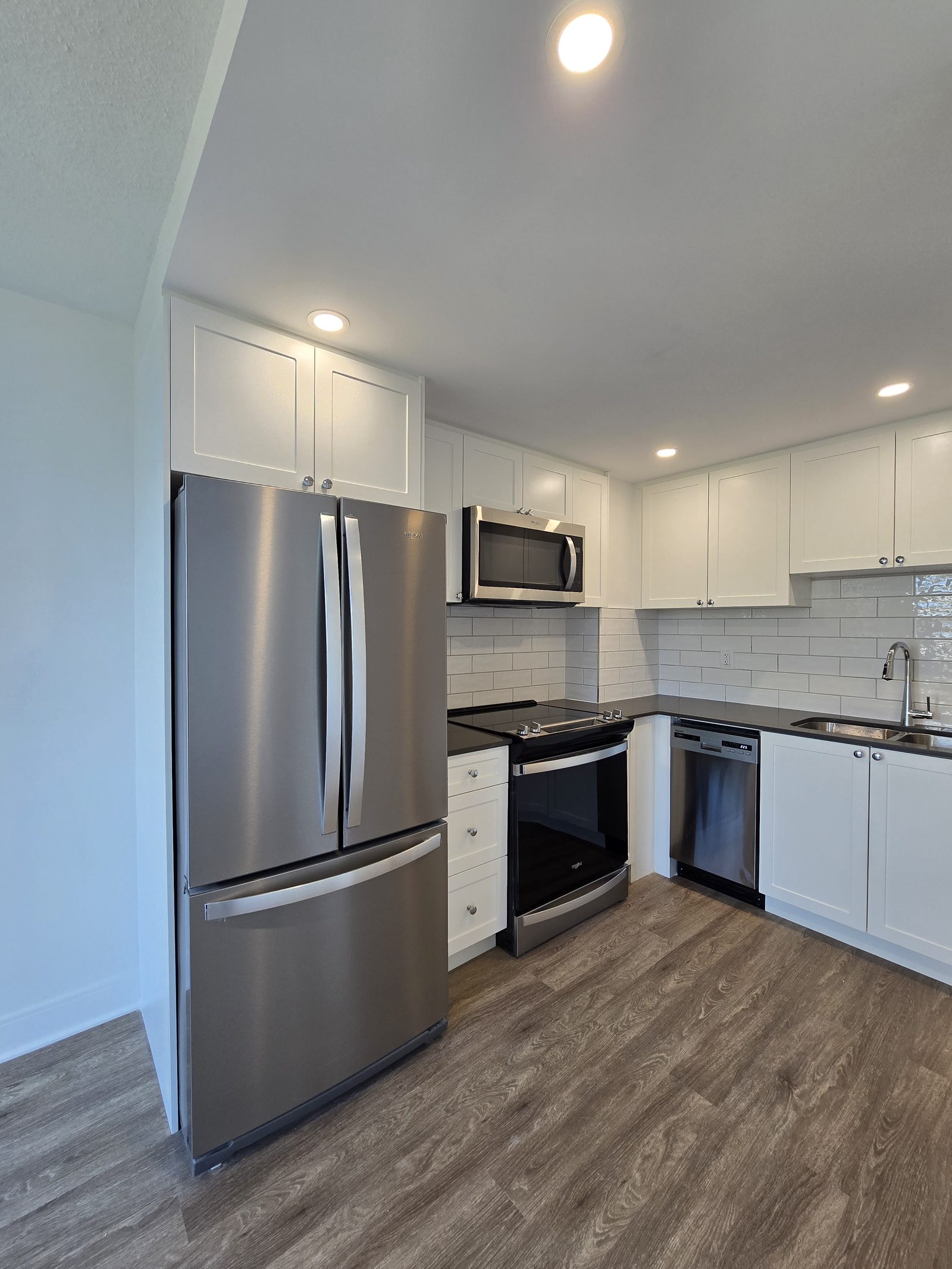
A suite turnover renovation is the work that takes a vacant rental suite from move-out to ready for the next tenant: repairs, paint, flooring, kitchen and bathroom updates, and new lighting and fixtures. For property managers in Metro Vancouver, the turnovers that go well follow one sequence every time: inspect, scope in writing, approve, renovate, and walk the finished suite before it goes back on the market.
This guide covers what a turnover includes, how B.C. tenancy rules shape the work, and what to check before you hire a contractor.
TL;DR
- A turnover covers whatever the vacant suite needs before re-leasing: paint, flooring, kitchens, bathrooms, trim, lighting and fixtures.
- In B.C., the move-out condition inspection under section 35 of the Residential Tenancy Act should happen before any work starts, so the record of the suite's condition stays accurate.
- Vancouver-area purpose-built rental vacancy reached 3.7% in 2025, the highest since 1988 (CMHC), so suites now compete for tenants.
- Painting, flooring, cabinets and fixture replacements generally don't need a City of Vancouver permit.
- In buildings from before 1990, test for asbestos before disturbing drywall, textured ceilings or vinyl flooring.
- Hire one contractor who is registered with WorkSafeBC, insured, scopes each suite in writing and agrees in writing to act as prime contractor.
What is a suite turnover renovation?
A suite turnover renovation is the repair and upgrade work done in a rental suite between one tenancy and the next. It ranges from a light refresh (patch, paint and small repairs) to a full renovation of the kitchen, bathroom and flooring.
In B.C., this is more than a leasing decision. Section 32 of the Residential Tenancy Act requires a landlord to provide and maintain a rental unit in a state of decoration and repair that meets health, safety and housing standards and makes it suitable for occupation. A turnover is the easiest time to meet that duty, because the suite is empty and the work disturbs no one.
What does a suite turnover include?
The scope is set suite by suite after a walkthrough. Typical turnover work falls into six groups:
- Walls and paint. Drywall patching, then paint on walls, ceilings, doors and trim.
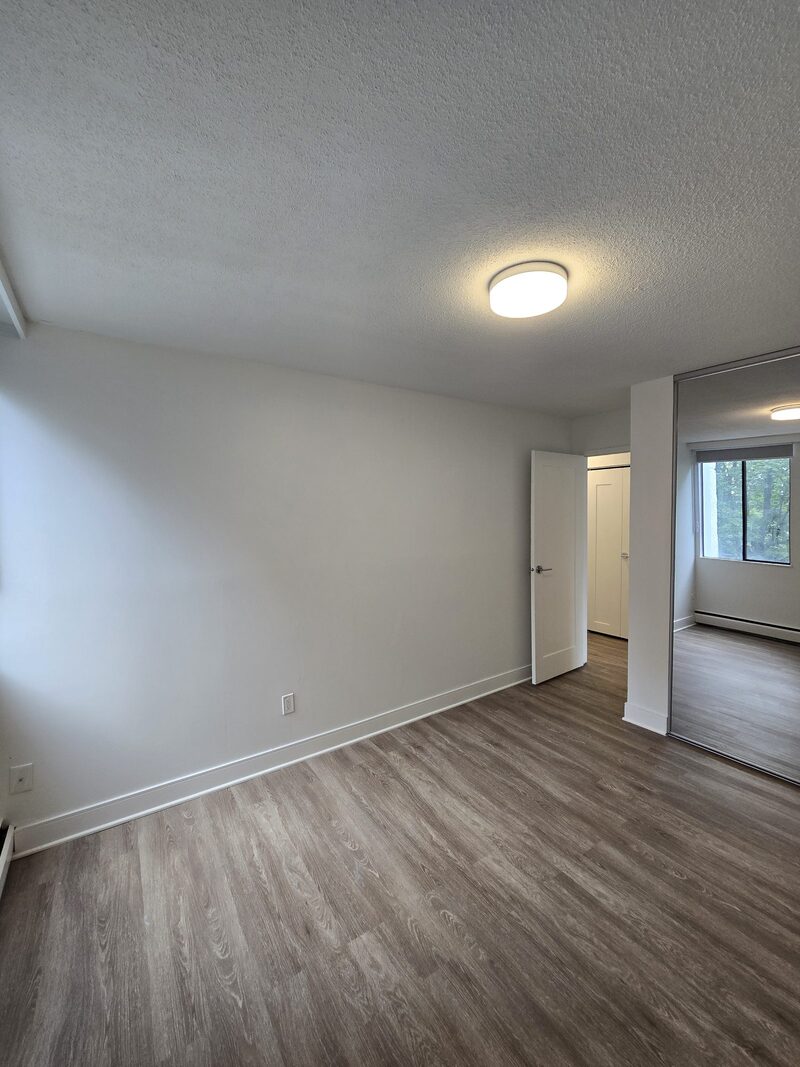
- Flooring. Repairs, or replacement with durable flooring such as vinyl plank through living areas, bedrooms and halls.
- Kitchens. Cabinets, counters, backsplash tile, sinks and appliances.
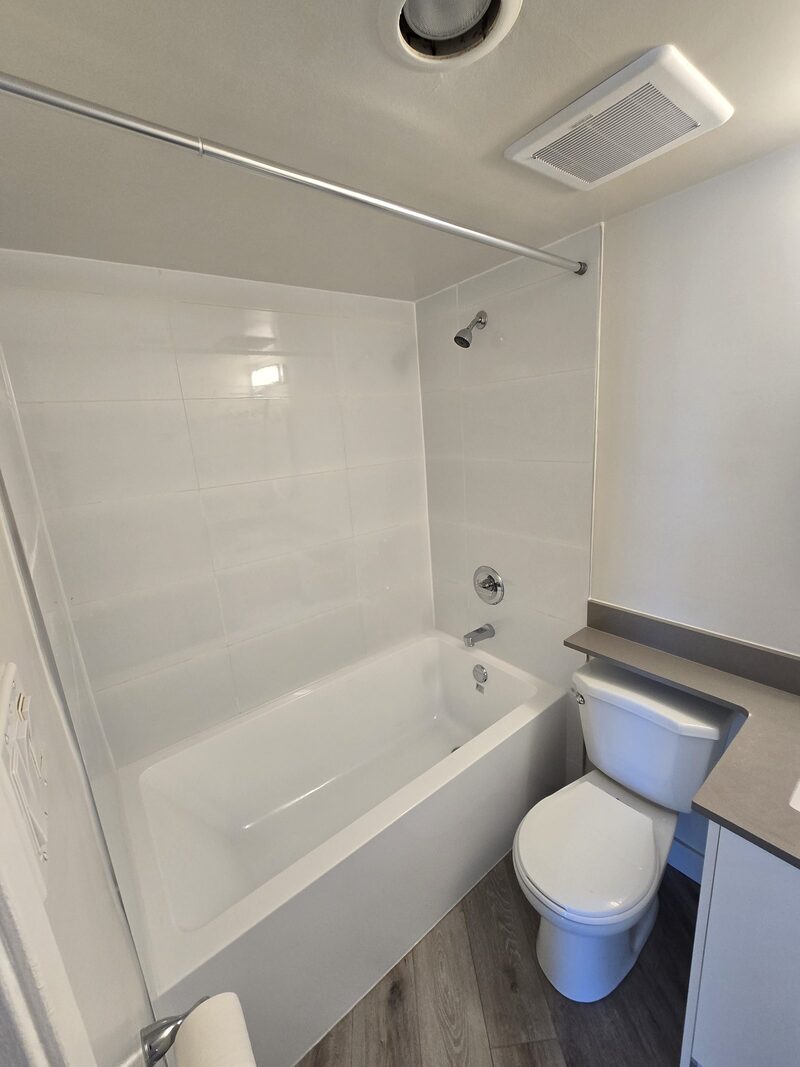
- Bathrooms. Tubs and tub surrounds, vanities, toilets, fixtures and fresh caulking.
- Trim, doors and closets. Baseboards, casings, closet doors and hardware.
- Lighting and fixtures. Light fixtures, switch and outlet covers, and finishing details.
Not every suite needs every item. A short, well-kept tenancy may need only paint and touch-ups; a long one may need a full kitchen, bath and flooring renovation.
How do B.C. tenancy rules affect a suite turnover?
The move-out inspection comes first. Section 35 of the Residential Tenancy Act requires the landlord and tenant to inspect the suite together before a new tenant moves in, and the landlord must offer the tenant at least two opportunities to attend. The landlord must then give the tenant a copy of the signed condition inspection report within 15 days (Residential Tenancy Regulation, section 18). If the landlord doesn't follow these steps, the right to claim against the security deposit for damage can be lost (section 36). Start renovation work only after the inspection is done and the suite is photographed.
The deposit clock is running. Within 15 days after the later of the end of the tenancy and receiving the tenant's forwarding address in writing, the landlord must return the deposit or apply for dispute resolution to claim against it (section 38). If you plan to claim for damage, an itemized written scope for that suite helps.
Wear and tear isn't the tenant's cost. Tenants aren't required to repair reasonable wear and tear (section 32). B.C.'s Residential Tenancy Policy Guideline 1 says the landlord is responsible for painting the interior at reasonable intervals. Policy Guideline 40 sets estimated useful lives that arbitrators may use in damage claims, including:
- interior paint, 6 years
- carpet, 12 years
- laminate flooring, 15 years
- vinyl flooring, 25 years
- window coverings, 15 years
- light fixtures, 15 years.
In practice, much turnover work, especially repainting, is a landlord's planned cost, not something a deposit will cover.
Left-behind belongings have rules. Part 5 of the Residential Tenancy Regulation sets out when property counts as abandoned and how it must be handled. Confirm this before anything is hauled away.
Rekeying is on the checklist. Under section 25, if a new tenant asks, the landlord must rekey or change the locks so the previous tenant's keys no longer work, unless that was already done at the end of the last tenancy.
Why does turnover quality matter more in today's Vancouver rental market?
Turnover quality matters more because Vancouver tenants now have more choice. CMHC's 2025 Rental Market Report put the purpose-built rental vacancy rate for the Vancouver census metropolitan area at 3.7%, the highest level since 1988. CMHC also reported that rental turnover rose across all unit types in 2025 and that some operators offered incentives such as one to two months of free rent to fill units.
For property managers, that changes the math:
- Vacancy has a daily cost. Every day a suite sits empty is rent the building doesn't collect. A clear scope and one coordinated sequence of work keep that time as short as the scope allows.
- First impressions decide showings. A tired suite now competes with newer buildings and rented condos. Fresh paint, sound flooring and a clean kitchen and bath are what prospective tenants notice first.
Refresh or full renovation: how should you decide?
Decide suite by suite, based on the condition you find at the walkthrough and the age of each finish. Policy Guideline 40's useful-life table is a practical planning tool for this, not only for deposit disputes.
| Situation at move-out | Usual scope |
|---|---|
| Short tenancy, finishes in good shape | Patch, paint, touch-ups, small repairs |
| Paint past about 6 years, worn flooring | Full repaint, flooring replacement, fixture updates |
| Original kitchen or bath, long tenancy | Kitchen and bathroom renovation along with paint and floors |
| Several similar suites in one building | One written specification repeated suite to suite |
Using the same finishes in every suite makes future turnovers easier: repairs are quicker, materials are easier to stock and the building looks consistent. See our multi-family suite renovations page for planning work across several suites.
Do you need a permit for a suite turnover in Vancouver?
Most turnover work doesn't need a permit. The City of Vancouver lists replacing fixtures, cabinets or flooring, and painting, among the projects that don't require one. A permit is generally required when a renovation moves interior walls or existing plumbing, electrical or gas lines, involves structural repairs, or repairs drywall in fire separations in multi-unit residential buildings.
That last point matters in apartment buildings. Walls between suites and corridors are often fire separations. If damaged drywall is part of a rated assembly, check with the City before you patch it. Outside Vancouver, confirm the rules with your municipality.
What safety checks apply before turnover work starts?
Two WorkSafeBC requirements apply to turnovers more often than property managers expect.
Asbestos in older buildings. WorkSafeBC says asbestos was used in B.C. building materials until the early 1990s, including drywall, textured ceilings and vinyl flooring. Before renovation work that could disturb these materials, a qualified person must identify hazardous materials. If asbestos is found, it must be removed by a licensed abatement contractor, and a notice of project must be submitted to WorkSafeBC. For buildings from before 1990, arrange the survey before the suite is vacant.
Who is the prime contractor. When workers from two or more employers work at the same site, a written agreement should name a prime contractor. Without one, WorkSafeBC treats the owner as the prime contractor. Booking several trades separately can leave the building owner responsible for site safety. One general contractor who agrees in writing to act as prime contractor keeps that duty with the contractor. Our guide to prime contractor responsibilities under WorkSafeBC explains the role in more detail.
How does a well-run turnover work, from move-out to re-leasing?
- Move-out inspection and photos with the outgoing tenant.
- Contractor walkthrough of the empty suite.
- Written scope and quote for that suite.
- Written approval or PO before work starts.
- One coordinated sequence: repairs, paint, flooring, kitchen and bath, then fixtures.
- Final walkthrough with the contractor before the suite goes to leasing.
Timing depends on each suite's scope, so ask for it to be confirmed with each quote.
What should you check before hiring a suite turnover contractor?
- WorkSafeBC registration and a clearance letter. WorkSafeBC warns you could be liable for unpaid premiums if your contractor isn't paying them.
- Liability insurance. Ask for a certificate.
- A written scope and quote for each suite.
- Prime contractor role in writing. The contract should name who is prime contractor.
- Building rules. Work hours, elevator bookings, parking and waste.
- One point of contact from walkthrough to final walkthrough.
For a closer look at comparing proposals, see how to review contractor bids.
Our perspective
Multigroup Contracting is a commercial general contractor that has worked in Metro Vancouver since 2016. We are registered with WorkSafeBC and carry $5 million in liability insurance. For property managers and rental building owners, we renovate vacant suites in multi-family buildings, including kitchens, bathrooms, flooring, paint, trim, lighting and fixtures.
We treat a rental building as a commercial property, because that's what it is. Smooth turnovers share the same habits: a walkthrough before pricing, a written scope for each suite, written approval and a final walkthrough with the manager. You can see finished suites on our suite turnovers page.
— MultigroupTeam
Request a suite turnover quote
Have a suite coming vacant, or several? Call 778-819-5933, email info@multigroup.ca, or send your suite details through our contact page. Include the building location, the number of suites and what each one needs.
FAQ
Who pays for repainting a rental suite in B.C. after a tenant moves out?
Usually the landlord. B.C.'s Residential Tenancy Policy Guideline 1 says the landlord is responsible for painting the interior at reasonable intervals. A tenant can be required to pay only for damage beyond reasonable wear and tear. Policy Guideline 40 gives interior paint an estimated useful life of 6 years.
Do I need a permit for a rental suite turnover in Vancouver?
Usually not, for painting, flooring, cabinets and fixture replacements. The City of Vancouver requires a permit when the work moves walls or existing plumbing, electrical or gas lines, includes structural repairs, or repairs drywall in fire separations in multi-unit residential buildings.
Should I test for asbestos before a suite turnover?
Yes, if the building was built before 1990 and the work will disturb drywall, textured ceilings or flooring. WorkSafeBC requires a qualified person to identify hazardous materials before renovation work, and asbestos must be removed by a licensed abatement contractor.
Can one contractor handle turnovers across several suites in the same building?
Yes. A general contractor can scope each suite in writing and repeat one specification across the building, which keeps finishes consistent and makes the next turnover easier to plan. Multigroup Contracting renovates suites across Metro Vancouver. Tell us how many suites need work and what each needs.
How long does a suite turnover take?
It depends on the scope. A paint-and-repair refresh is a much smaller job than a kitchen, bath and flooring renovation. Ask your contractor to confirm timing for each suite when they quote.
Sources
- Residential Tenancy Act (sections 25, 32, 35, 36, 38), BC Laws
- Residential Tenancy Regulation (section 18 and Part 5), BC Laws
- Residential Tenancy Policy Guideline 1: Landlord and Tenant, Responsibility for Residential Premises, Province of B.C.
- Residential Tenancy Policy Guideline 40: Useful Life of Building Elements, Province of B.C.
- Moving out of rental units, Province of B.C.
- Rental Market Report, Fall 2025, CMHC
- When you need a permit, City of Vancouver
- Asbestos, WorkSafeBC
- Roles, rights and responsibilities (prime contractor), WorkSafeBC
- Why do I need a clearance letter?, WorkSafeBC